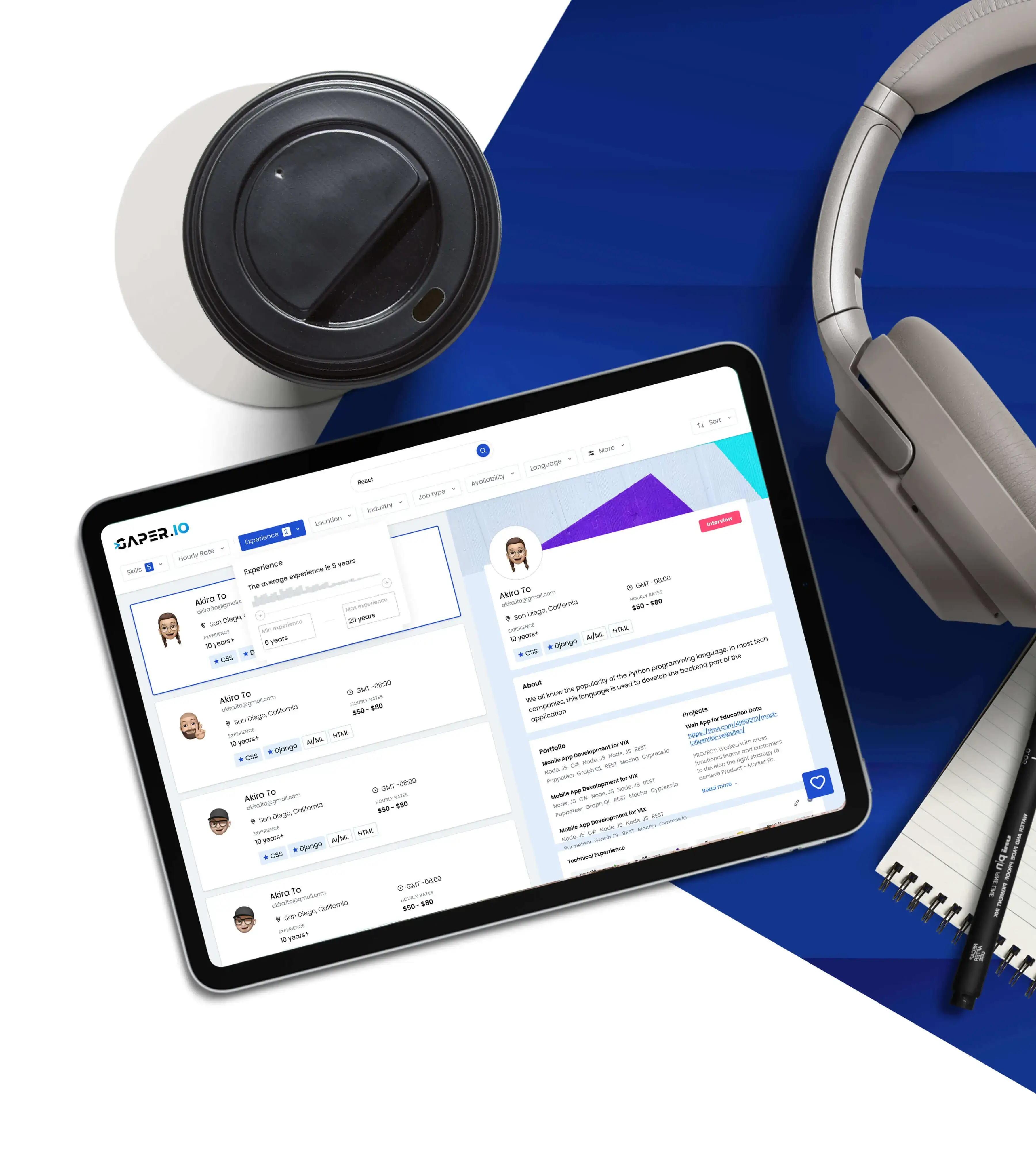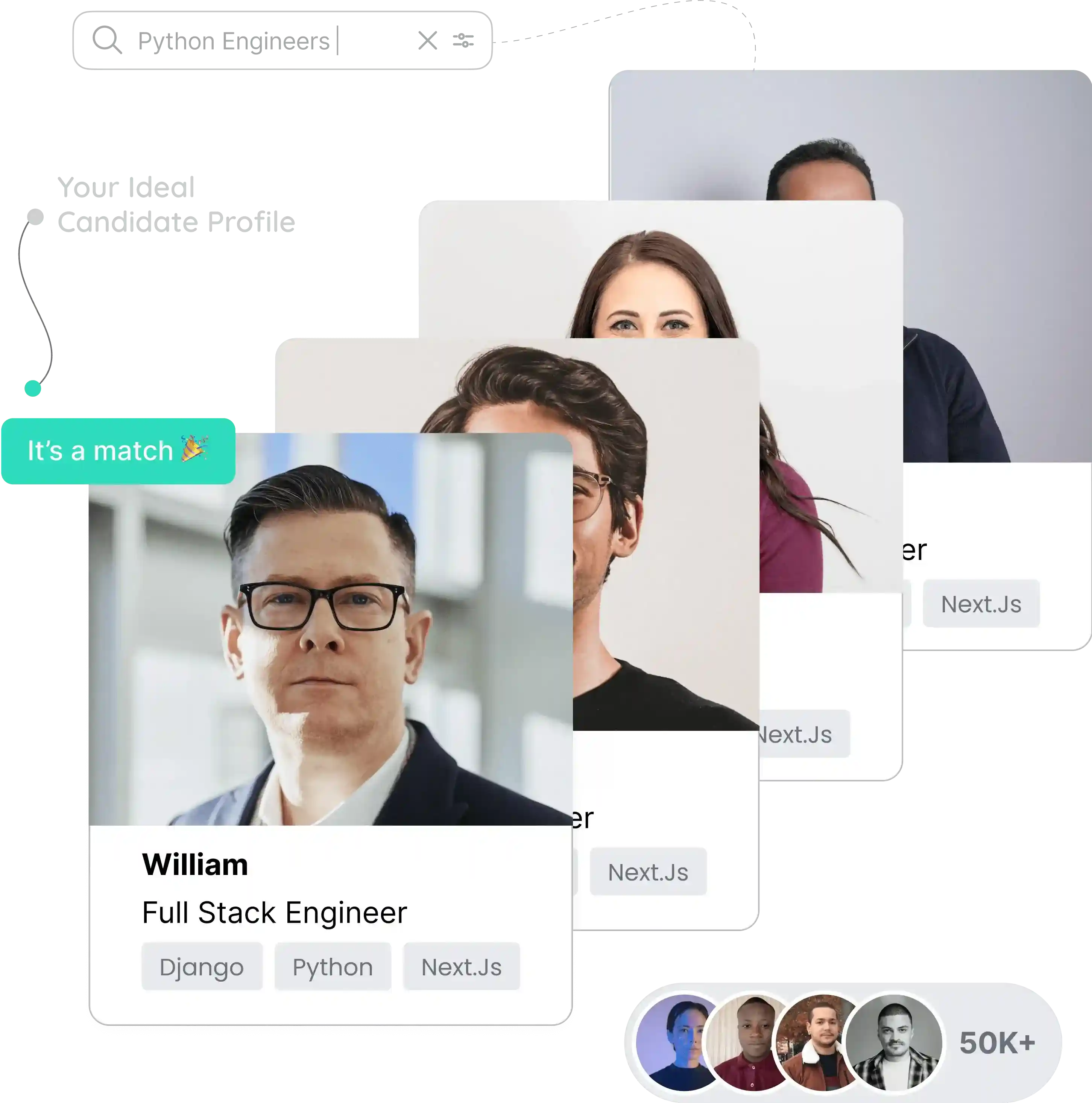







Staffing is fundamentally a decision-driven business. Every placement involves multiple decisions, from candidate selection to pricing and client prioritization. Traditional HR systems provide data but do not offer actionable insights.
Staffing agencies are undergoing a fundamental transformation that traditional HR software was never designed to support. What began as systems of record for employee data, payroll, and compliance is now expected to function as a revenue engine, an intelligence layer, and a workflow orchestrator. The expectations from software have shifted from passive data management to active execution, and this is where legacy HR platforms fall short.
Staffing is not a static function. It is a high-velocity, demand-supply matching business where timing, precision, and responsiveness directly impact revenue. Traditional HR tools were built for internal HR teams managing full-time employees within a single organization. Staffing agencies, on the other hand, operate across multiple clients, roles, and industries simultaneously. This creates a level of operational complexity that legacy systems simply cannot handle efficiently.
As a result, agencies are increasingly moving toward Full Stack AI solutions that combine infrastructure, intelligence, and execution into a single unified system. This shift is not about upgrading tools—it is about redefining how staffing businesses operate.
The core limitation of traditional HR software lies in its design philosophy. These systems were built to manage records, not to drive outcomes. They are optimized for compliance, documentation, and administrative workflows rather than revenue-generating activities.
For staffing agencies, this creates immediate friction. Recruiters still rely on a fragmented stack that includes applicant tracking systems, CRMs, spreadsheets, email threads, and manual coordination. This lack of workflow ownership results in inefficiencies at every stage of the recruitment lifecycle—from sourcing and screening to placement and follow-up.
Moreover, traditional systems treat hiring as a linear process. In reality, staffing operates in continuous loops where candidates are constantly being evaluated, matched, redeployed, and re-engaged. Legacy tools are not built to handle this cyclical, real-time environment, leading to delays, missed opportunities, and increased operational overhead.
Modern staffing agencies are transitioning toward AI-native operating models where software is no longer just a tool but an active participant in the business. This shift is driven by the need for speed, scalability, and precision.
In an AI-native system, workflows are orchestrated through intelligent agents capable of executing tasks autonomously. These agentic workflows can handle candidate screening, profile ranking, interview scheduling, and client communication without constant human intervention. Instead of recruiters manually managing each step, they oversee and optimize processes that are largely automated.
This transition fundamentally changes how agencies operate. It allows them to scale without proportionally increasing headcount, reduces manual errors, and ensures consistent execution across all workflows.
One of the most significant drivers of this shift is the need for complete workflow ownership. Traditional HR software operates in silos, requiring agencies to stitch together multiple tools to manage different parts of the recruitment process.
This fragmentation leads to inefficiencies such as duplicated data entry, inconsistent communication, and lack of visibility across the pipeline. More importantly, it prevents agencies from optimizing their operations because no single system has full context.
Full Stack AI platforms address this by unifying the entire staffing lifecycle into a single orchestration layer. Every step from job intake to final placement is managed within a cohesive system. This enables real-time visibility, seamless data flow, and the ability to automate complex, multi-step workflows.
In staffing, speed is a necessity. The ability to present the right candidate quickly often determines whether an agency wins or loses a deal. Traditional HR systems are not designed for real-time decision-making, which puts agencies at a disadvantage.
AI-enabled systems leverage proprietary data loops to continuously improve matching accuracy. By analyzing historical placements, client preferences, and candidate performance, these systems can predict the best matches with a high degree of confidence.
This level of precision reduces time-to-placement and increases success rates. It also enhances the client experience, as organizations receive better candidates faster. Over time, this creates a compounding advantage that is difficult for competitors to replicate.
Staffing is inherently domain-specific. The requirements for healthcare staffing are vastly different from those in legal, finance, or technology sectors. Traditional HR software takes a horizontal approach, offering generic workflows that fail to capture these nuances.
This is where vertical AI becomes critical. By embedding domain-specific intelligence into workflows, agencies can tailor their operations to the unique needs of each industry. For example, a healthcare staffing agency can automate credential verification, licensing checks, and compliance requirements specific to medical professionals.
This domain-led intelligence enables agencies to deliver higher-quality matches while reducing manual effort. It also positions them as specialists rather than generalists, which is increasingly important in a competitive market.
Staffing agencies operate under constant margin pressure. Traditional models rely heavily on human labor, making it difficult to scale efficiently. As competition increases and pricing pressures intensify, agencies need to find ways to improve profitability.
High-margin AI offers a solution. By automating repetitive tasks such as resume screening, interview coordination, and follow-ups, agencies can significantly reduce operational costs. This allows them to handle a higher volume of placements with the same or smaller teams.
The result is a more efficient business model where revenue scales faster than costs. This shift is about cost reduction and fundamentally changing the economics of staffing.
The future of staffing lies in end-to-end automation. Instead of relying on multiple disconnected tools, agencies are adopting full-stack orchestration systems that manage the entire lifecycle of a placement.
These systems integrate sourcing, screening, matching, onboarding, compliance, and post-placement workflows into a single platform. More importantly, they enable autonomous execution across these stages through interconnected AI agents.
This level of automation ensures consistency, reduces errors, and frees up human resources to focus on higher-value activities such as relationship building and strategic decision-making. It also enables agencies to operate at a scale that would be impossible with manual processes.
Many staffing agencies are still operating on legacy infrastructure that is not compatible with modern AI capabilities. These systems are often difficult to integrate, expensive to maintain, and limited in their scalability.
Modernization is no longer optional. Agencies are moving toward AI-native architectures that support private inference and secure data handling. This is particularly important in industries with strict regulatory requirements, where data privacy and compliance are critical.
By adopting modern infrastructure, agencies can unlock the full potential of AI while ensuring that sensitive information remains protected. This creates a foundation for long-term growth and innovation.
Staffing is fundamentally a decision-driven business. Every placement involves multiple decisions, from candidate selection to pricing and client prioritization. Traditional HR systems provide data but do not offer actionable insights.
AI-powered decision-making engines change this dynamic. By analyzing large volumes of data in real time, these systems can provide recommendations or even make decisions autonomously. This improves both speed and accuracy, enabling agencies to respond more effectively to changing market conditions.
Over time, these systems become more accurate as they learn from new data, creating a continuous feedback loop that enhances performance.
The shift away from traditional HR software is part of a broader transition to what many describe as the post-SaaS era. In this model, software is an integral part of service delivery.
For staffing agencies, this means investing in systems that directly contribute to revenue generation. AI-powered platforms are not just supporting operations; they are actively driving outcomes.
This shift also enables new business models, such as AI-powered vertical roll-ups, where agencies use technology to consolidate and scale within specific industries. This creates new opportunities for growth and differentiation.
In an increasingly competitive market, differentiation is critical. Access to talent and clients is becoming commoditized, making execution the key differentiator.
Agencies that invest in proprietary data loops, custom agentic architectures, and AI-native systems can build sustainable competitive moats. These capabilities enable continuous improvement in matching accuracy, operational efficiency, and client satisfaction.
Traditional HR software cannot support this level of innovation. It lacks the flexibility and intelligence required to adapt to changing market dynamics. As a result, agencies relying on legacy systems risk falling behind.
The move away from traditional HR software is a fundamental shift in how staffing agencies operate. Full Stack AI represents a new paradigm where infrastructure, intelligence, and execution are tightly integrated.
In this model, agencies are no longer just intermediaries managing processes. They become operators of highly optimized, AI-native talent supply chains. Every aspect of the business from sourcing to placement is driven by intelligent systems that continuously learn and improve.
This transformation enables agencies to scale more efficiently, deliver better outcomes, and build stronger relationships with both clients and candidates. It also positions them to capitalize on emerging opportunities in an increasingly AI-driven economy.
As the industry continues to evolve, the gap between agencies that adopt AI-native models and those that rely on traditional HR software will only widen. Those that embrace Full Stack AI will define the future of staffing, while others risk becoming obsolete in a rapidly changing landscape.
Top quality ensured or we work for free