4 Steps of How to Become a Remote Developer
Remote jobs are quickly becoming more and more popular in almost every industry. It is growing by over 173% in the past ten years.
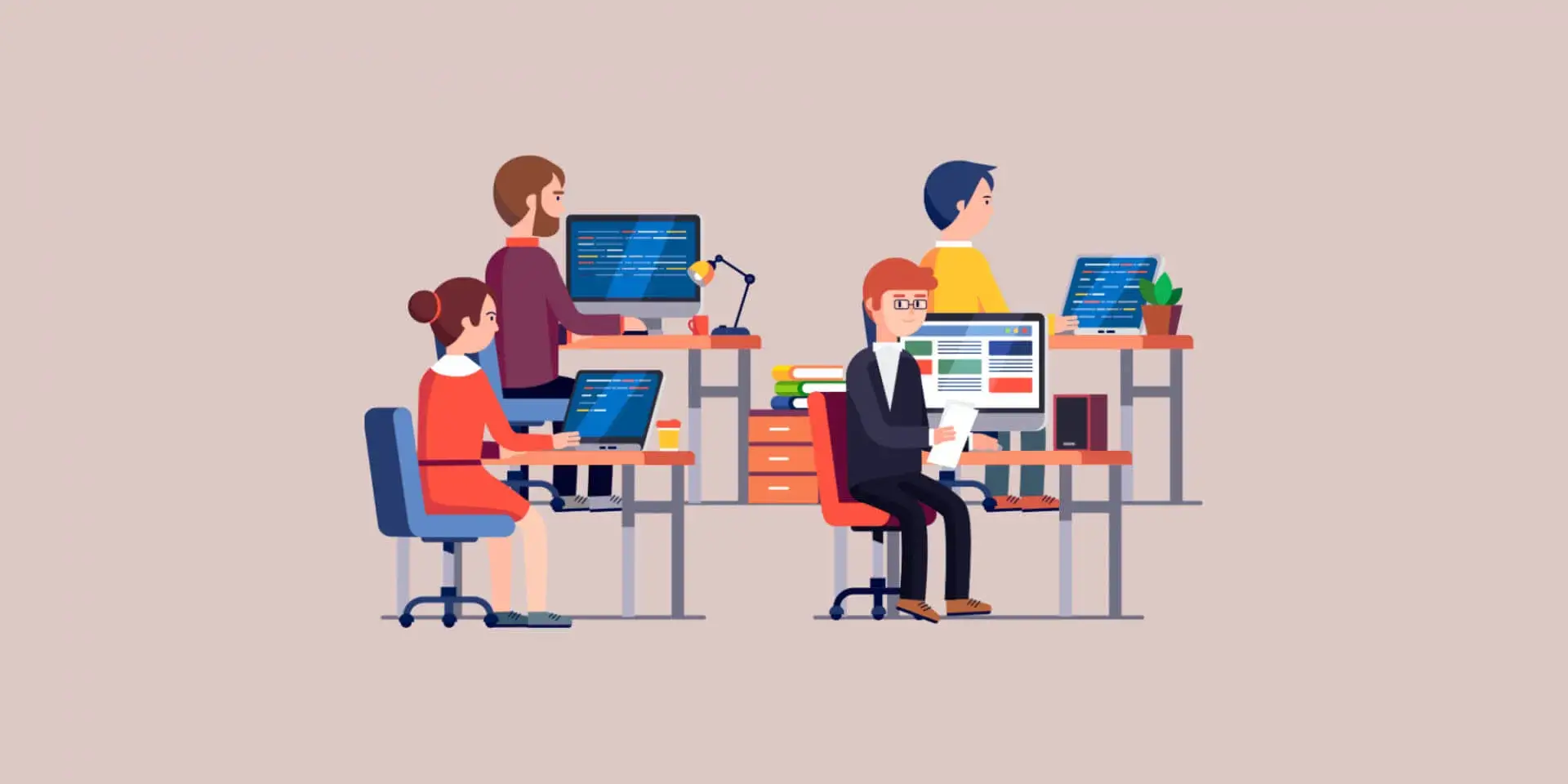
Millennials in the US, Canada and much of Europe demand a better work-life balance. In the United States, over 3% of employees work remotely at least half of the time. Furthermore, over 5% of the United States have full-time remote jobs.
The pandemic has also given remote work a great push. A recent survey by Upwork found out that one out of four Americans will have a remote job in 2021. By 2025, almost 36.2 million Americans would be working from home.
Whether you want to work from home. Also, you want to have a more flexible schedule, or simply want to become a digital nomad. Thus, becoming a remote developer can help you search for the job of your dreams.
Here is a guide on how you can become a remote software developer. With our comprehensive five steps, you will get an idea of remote jobs. So, you will also get to know how to get a remote software developer job.
Step 1: Learn the Skills You Need to Become a Remote Developer
One of the first things you can do to become a developer is to join a Coding Bootcamp. They are great ways of learning how to code. Of course, they aren’t a necessity to become a developer. Yet, these Bootcamps have specializations for preparing individuals.
They train them according to the expectations need to become a software developer. Moreover, the pandemic has caused a lot of boot camps to become online. However, there are a lot of great coding boot camps. Such as Gaper.io Coding Bootcamp, Full-stack Academy, LeWagon just to name a few.
Further, there are some necessary skills that you need to be proficient in languages. Such as HTML, JavaScript, and CSS. You would also have to get familiarized with various frameworks. Also, with the libraries, as well as tools such as GitHub.
Step 2: Look for a Remote Job
Remote software developer jobs come in a variety of forms. You can look for contracts, full-time, part-time, and freelance developer jobs. If you love to work in a stable team environment with employer motivation. Then you’ll want to search for a full-time position.
Such positions usually have great benefits like healthcare and paid vacation. There is a lot more flexibility in Contractual and freelance jobs. They include privileges like having the ability to make your own schedule. Also, be your own boss and set your own hiring rates.
However, you would also have to create your own business setup systems. These systems must have to include scheduling, invoicing, and insurance. Online freelancing sites such as Toptal and Upwork can help you out in those matters.
Step 3: Ace the Remote Job Interview
Congratulation, at this point you would have successfully graduated from the coding Bootcamp. Also, now you got a great portfolio. Here and now the difficult part is the online interviews. They can be very tricky and differ for every position.
Every hiring manager will have a different set of questions. However, they are typically geared towards judging your ability to solve problems. They also inspect your communication skills, and work-life balance very critically. One important part of the interview will be accessing how well you would fit in a remote environment. To prepare you for what to expect, here are a few sample questions:
- What would you do to remain productive if one of those tools were to go down?
- How will you communicate effectively using those tools?
- What tools do you use to collaborate?
- How will you schedule your work?
You might also have to give a technical interview where the employer might ask you to display your hard skills.
Step 4: Become a Great Remote Team player
Employers are searching for great proactive team players. Those who can demonstrate the ability to collect information and read the context of the group chat. They check your intuition when you need to step back and support your teammates. As your teammates have a vital role. Thus, working in harmony with them through proper communication is a necessity.
Thirty minutes, no commitment. We map one workflow, make the build or buy call, and scope the smallest thing worth shipping.
Frequently asked questions
What are the four steps to becoming a remote developer?
What technical skills should an aspiring remote developer learn first?
What kinds of questions are asked in a remote developer interview?
What's the difference between full-time and freelance remote developer roles?

Ready to turn AI into execution?
Book a free assessment of one workflow. We map it, make an honest build versus buy call before any code, and if an off the shelf product covers the job we will tell you so.