
Khadija shares her experience with all things Finance
On this episode of Founders Grit, we catch up with Khadija from FinTech School, a creation of Amilcar Chavarria.

On this episode of Founders Grit, we catch up with Khadija from FinTech School, a creation of Amilcar Chavarria. The school’s aim was to cater to the shortage of talent and teaching in the FinTech sector as well as synergize the capabilities of finance and technology professionals.
Having very diverse and rich work background in terms of the geographies she has worked in, Khadija shares her insights about the differences in entrepreneurial cultures in different continents. While entrepreneurial and innovative tendencies have grown beyond Silicon Valley, factors like risk, ambition, problem solving, creativity and optimism remain consistent among founders globally. Conversely, founders are differentiated from their international peers in the ways they choose to execute the vision and ideas that they have based their businesses on.
Despite sensitive issues that have risen up due to disruptive technologies like Libra, she defines FinTech as the “next era of finance”. FinTech will transform banking industries from inefficient, bureaucratic systems to those characterized as “smart”. AI and machine learning have the potential to become capable of rational financial strategizing (though the risk remains for algorithms to come up with inaccurate and unrealistic plans sometimes).
With regards to Innovative ideas in FinTech that new entrepreneurs can tackle, she simply describes them as those that solve and tackle an existing and identified problem. She gives the example of how Madera.ai aims to address the time constraints small businesses face through efficient bookkeeping services. Budding entrepreneurs also need to be mindful of new technologies, accurate financial management, smart marketing and the smooth running of in-house operations when implementing their visions.
Within the field of accounting, big data analytics also has a significant role to play when algorithms become more precise and accurate. This role won’t just be restricted to repetitive, pattern based operations like bookkeeping, but will also contribute in work like auditing, financial reporting and data insights.
Thirty minutes, no commitment. We map one workflow, make the build or buy call, and scope the smallest thing worth shipping.
Frequently asked questions
What is FinTech School and why was it created?
How does Khadija define FinTech?
Do entrepreneurial traits differ across regions according to Khadija?
What role does big data analytics play in accounting per Khadija?
AI Agents for Finance: FP&A, Close, and Reporting in Production
How finance teams put AI agents into production for FP&A, the monthly close, and reporting, what works, where pilots stall, and how to deploy safely.
May 29, 2026
Top AI Projects for Accounting and Finance
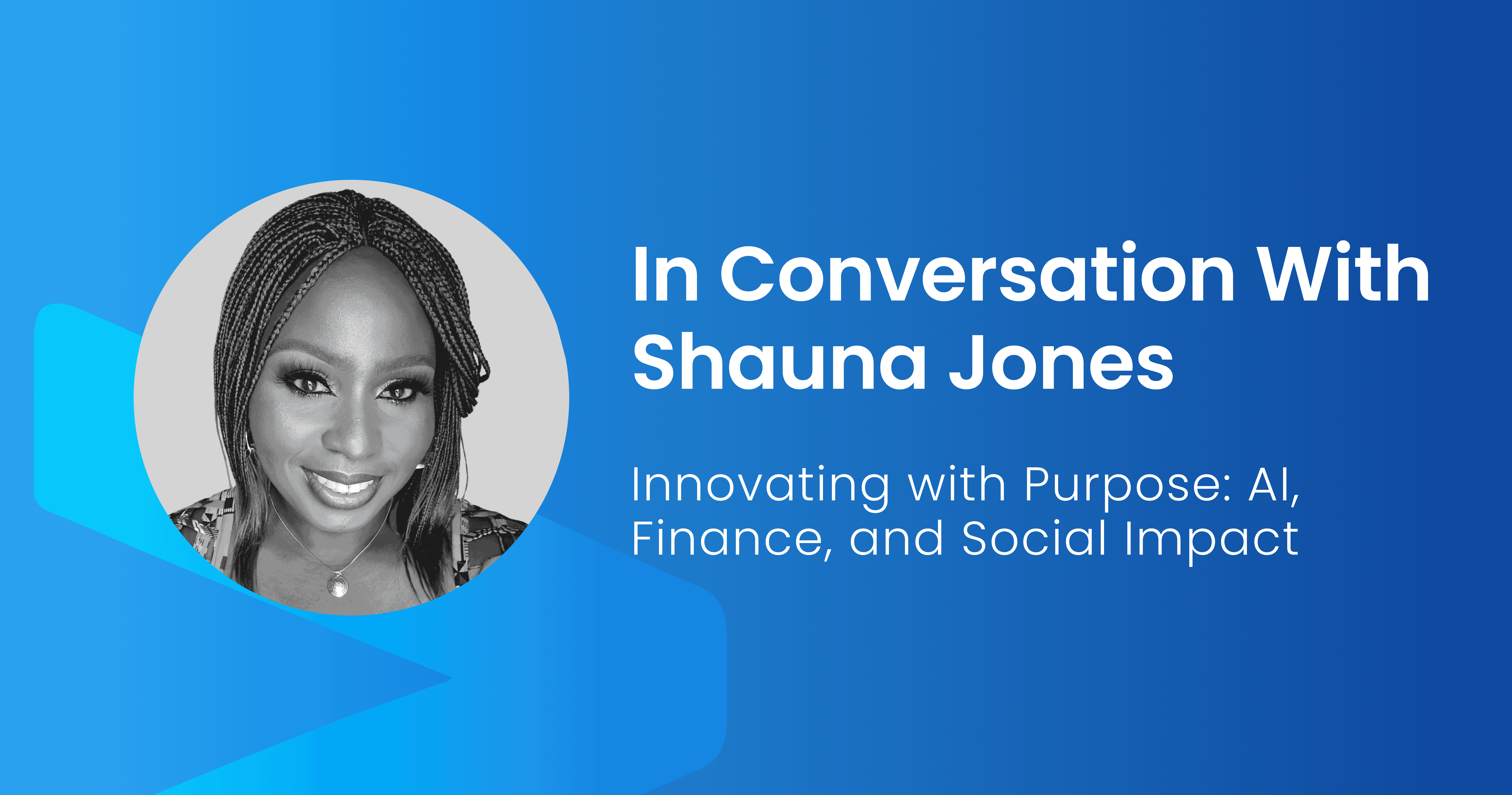
Innovating with Purpose: AI, Finance, and Social Impact – Insights from Shauna Jones
Ready to turn AI into execution?
Book a free assessment of one workflow. We map it, make an honest build versus buy call before any code, and if an off the shelf product covers the job we will tell you so.