The many applications of Python
Python is a language that is not only easy to learn but is also free. It’s key features include being dynamically typed and interpreted.

Python is a language that is not only easy to learn but is also free. It’s key features include being dynamically typed and interpreted which means errors are easier to debug. This makes it the perfect language for developing application prototypes. It was developed by Guido Van Rossum in 1989 on the principle of DRY which simply means “Don’t repeat yourself”.
Among the number of applications that Python has been used in, here are a few key and prominent examples:
Web Development
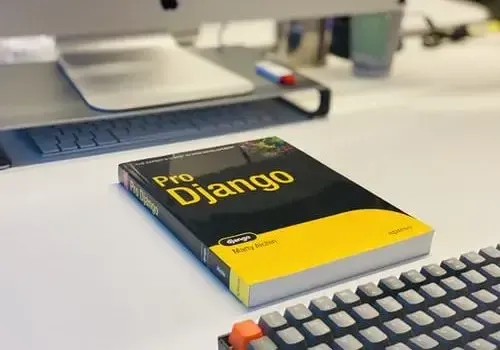
Python can be used to make web-applications at a rapid rate. Why is that? It is because of the frameworks that Python uses; web applications can be developed at a rapid rate using the language. One of the more prominent frameworks is Django which is used in Instagram. There are a number of libraries that can be used along with the common back-end knowledge, into making these frameworks. These libraries can be used to integrate protocols such as HTTPS, FTP, SSL etc and can also help in processing of JSON, XML, E-Mail etc.
Examples of some of the useful frameworks provided by Python are:
- Django and Pyramid framework(Use for heavy applications)
- Flask and Bottle (Micro-framework)
- Plone and Django CMS (Advance Content management)
Game Development
A number of libraries support Python is game development ; PySoy which is a 3D game engine supports Python 3. PyGame is another library of Python modules that allows game development via Python. Some examples of games developed using this language are:
- Civilization-IV
- Disney’s Toontown Online
- Vega Strike
Machine Learning and Artificial Intelligence
Machine learning or artificial intelligence is the practice of making the computer learn from past experiences through stored data and sometimes through algorithms that make the computer learn itself.
Libraries that are used in the process are all supported by Python which makes it the ideal language for machine learning. So if you know Python or are learning it, you only need to import libraries on top of the code to get started. Some popular libraries are:
- SciPy
- Scikit-learn
- NumPy
- Pandas
- Matplotlib
Desktop GUI
Python supports and is compatible with a number of powerful existing libraries that are used in developing desktop applications. Libraries such as Tkinter that allow for the development of powerful user interfaces or toolkits like wxWidgets that enable these applications to be run on multiple platforms, are all supported by Python.
Some popular GUI libraries are given below:
- Tkinter or Tk
- wxWidgetM
- Kivy (used for writing multitouch applications )
- PyQt or Pyside
Business Applications
Business applications demand scalability along with being extensive and readable and Python caters to all these. E-commerce and ERP are good examples of some business applications that can be powered by Python.
Oddo is one such example of an application that provides a range of business applications and is entirely powered by Pyhton.
CAD Applications
Computer-Aided Designing is a complex application that requires multiple things to work simultaneously and in harmony such as objects and their representation, functions etc. Python adds simplicity to the process and one prominent example of a CAD application powered by Python is Fandango.
Following functionalities are used by Phyton to create powerful 3D CAD applications:
- Fandango (Popular)
- CAMVOX
- HeeksCNC
- AnyCAD
- RCAM
Audio and Video Applications
What can make video and audio applications better? Better stability and performance, which are features that can be provided by Python. Examples of some applications developed using Python are TimPlayer and cplay.
Some of the multimedia libraries that can be used with Python are given below.
- Gstreamer
- Pyglet
- QT Phonon
Embedded Applications
We have all heard of Raspberry Pi, an embedded application that uses Pyhton for computing. Such is the power of Python which is based on C thereby can be used to create embedded applications for Embedded C softwares. This means that for smaller devices that can compute Python, higher level applications can be easily developed.
Raspberry Pi is also used as a computer and also as an embedded board for high level computations.
In Conclusion:
Learning Python can be highly rewarding because it can be used in a multitude of applications. Moreover, as mentioned before it’s free and simple to learn and use. With trainings like the one at Gaper Academy, you can get a head start on your journey to becoming a pro!
Frequently asked questions
Why is Python considered good for application prototyping?
Which Python frameworks are used for web development?
What Python libraries support machine learning and AI work?
Can Python be used for embedded applications?
Missed Calls Are Quietly Draining Your Clinic, and Hiring Won't Fix It
Why forward-looking practices are solving patient access at the root, with production AI agents they own instead of a phone tree they keep staffing.
Jul 7, 2026AIWhy Clinics Struggle to Staff the Front Office, and What Successful Practices Are Building Instead
The hiring treadmill is not your only option. The best-run practices are starting to own the AI agents that run their front desk.
Jul 7, 2026IndustryAI Agent Data and Privacy: What Enterprises Need to Know Before Production
A practical guide to AI agent data privacy for enterprises: what agents touch, where data leaks, and the controls that get a pilot safely into production.
Jun 23, 2026Ready to turn AI into execution?
Book a free 30-minute assessment. We'll map agents and engineers to your stack and scope the first thing to ship.