
Going Remote - Not a Trend - But the Norm
Darren learned pretty quickly that remote is no longer a trend, but the norm. Darren is the Cofounder of Hugo based out of San Francisco, California.
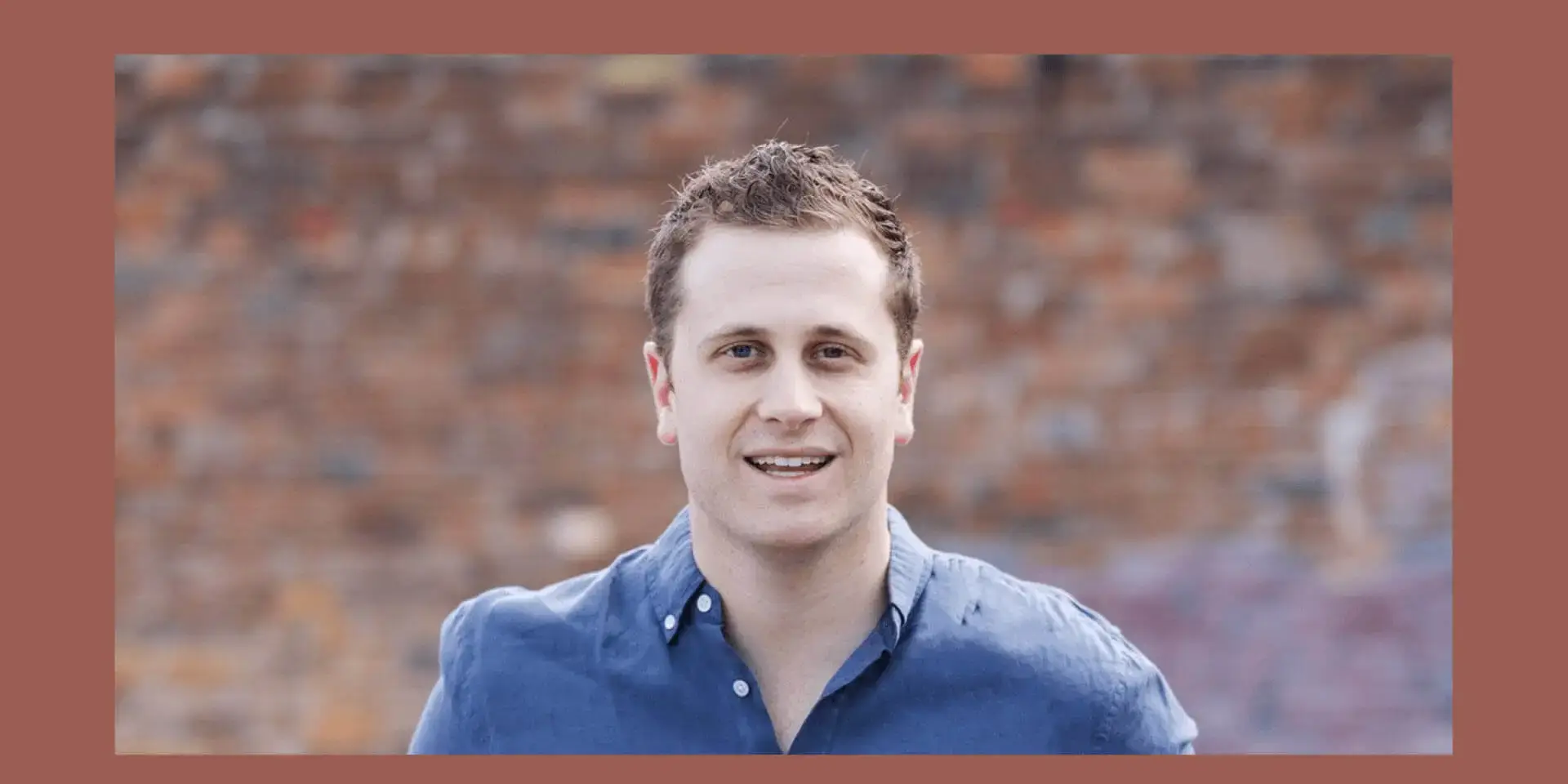
Darren learned pretty quickly that remote is no longer a trend, but the norm.
Darren is the Cofounder of Hugo based out of San Francisco, California. He was, in fact, a lawyer, billing his hours in Australia and decided a change was needed due to all the stresses of work-life on the daily. That is when he set up Hugo with a friend and fellow co-founder and shifted to San Francisco 3 years ago.
The transition from Law to HUGO
Talking about his transition from being a lawyer to a startup founder Darren stated, “I like the idea of creating value without spending time.”
Software, according to him, creates value without billing the hours. He shares, he has been acquiring clients overnight – while sleeping – which otherwise would not have been possible.
Hugo is a platform wherein, cross-platform integrations help with updating meeting notes for each team member to see and be updated about. The idea came when Darren realized that meetings have “a lot of problems in general.” According to him while “remote is now normal” and distributed teams aren’t differentiated anymore, it is just how business is done. Including but not limited to decentralized decision making; there was still no change in how meetings were conducted. Even if workplaces have changed from 5 years ago, meeting settings hadn’t. Rightly put, if someone is not in the room, s/he would not know what was discussed as there is too much of a disconnect. Where remote working was seen as a trend and now a norm, no one had really made any changes in meetings.
That is where the idea of Hugo materialized. “If only we could make meetings accessible to teams and their tools.” The software revolutionizes the way each team member is updated about key points discussed in the meeting and notes are added for task creation. “Every day customers are asking for more integrations,” is what Darren had to say about his software being utilized by his clients.
Remote Work – A trend or The Norm?
Where about 70% of the time is spent commuting to a meeting of 20 minutes even, Darren reiterated that “remote working is no longer a ‘trend’; it is more the norm and it is how we work.” Costs of living are incredibly expensive and getting access to the best talent is getting harder and harder, so it is no longer easy or viable to get talent from around the area. So, much like other companies, Darren too has to broaden his search for other options and look to different cities, countries, and continents even to find the talent. Secondly he feels there are more jobs for Software Engineers than there are engineers to fill in the spots. So a lack of skill is another reason to go remote.
He also shares how technology has enabled going remote. With tools like Hugo and Zoom, it has never been easier to work remotely.
“Future of Remote Work is here.”
“We just built Hugo based on the way teams are working.”
Darren feels no industry is insulated against remote work and a lot of professionals would be going distributed working environments to at least part-time.
The biggest challenge in his eyes, in going remote, is the “serendipitous communications” with fellow colleagues. The value lost in watercooler talks and interactions needs to be protected when going remote. And for that, he suggests “increasing the bandwidth of communications.” That is to say that instead of shooting an email and/or a 10 worded message to a person about an idea, make a quick call instead (which does not have to be a scheduled meeting). Also if someone is not in the same time zone, then sending a video recorded message would be more effective as the person can wake up, and watch the video and get the body language and tone of the message as opposed to a dry email.
Wrapping up he shares that at Hugo, increasing the bandwidth of communications is an important concept and they have seen it work for them – “like Snapchat for business.”
Want to know more about what Darren had to say then listen to the podcast and share your opinion about what you would do to overcome challenges of going remote
Frequently asked questions
What problem does the Hugo platform solve?
Why does Darren say going remote is necessary rather than optional?
What does Darren see as the biggest challenge of remote work, and how does he address it?

Ready to turn AI into execution?
Book a free assessment of one workflow. We map it, make an honest build versus buy call before any code, and if an off the shelf product covers the job we will tell you so.